Organic Relaxed Linen Decorative Pillow Cover

Linen in the Home: A Deep Dive into Care, Sustainability, and Brand Perspectives

A long, calm look at a fabric that has outlived emperors and fads alike. Linen’s appeal is both practical and poetic: breathability that feels almost medicinal, durability that ages like a favorite book, and a narrative about sustainability that refuses to be hurried. In this exploration, we’ll trace the fibers from flax to finish, compare how leading brands shape our understanding of luxury and care, and offer grounded tips for keeping linen bedding and bath textiles vibrant for years to come. We’ll also meet three key figures from different eras whose ideas about textiles echo in today’s sustainable design conversations.

The Linen Promise: Why Linen Feels Different

Linen is not merely a textile; it is a heritage technology. Flax fibers, grown in cool, well-drained soils, are spun and woven into fabrics that shimmer with a natural luster and slight irregularities—slubs that remind you of the seamstress’s hand and the fabric’s human story. Linen’s breathability is not a marketing slogan but a function: hollow fibers transport moisture away from the skin, keeping you cool in summer and comfortably insulated when the weather cools. Over time, linen softens, not by losing its character but by gaining a worn-in fluency that feels more intimate with each washing. This is the paradox that makes linen so enduringly popular in bedding and bath alike: clean, crispness without stiffness, and a texture that matures with you rather than against you.

In today’s market, where fast fashion often equates to disposable textiles, linen stands out as a currency of sustainability. Its long fibers resist pilling, its natural dyes tend to fade gracefully, and its durability reduces the need for constant replacement. It is natural fiber storytelling at scale: a fabric that invites daily rituals—washing, ironing, folding, and—yes—resting in a bed that feels like a quiet harbor after a busy day.

Brand Perspectives: How Naturepedic, Coyuchi, and Libeco Frame Linen Quality

Brand voices matter because they translate centuries of textile craft into modern consumer choices. Three leaders in the linen space—Naturepedic, Coyuchi, and Libeco—offer distinct lenses on linen’s value, ethics, and care guidelines, while maintaining a common thread of respect for the material and its origins.

Naturepedic positions linen as a breathable, hypoallergenic foundation for sleep. Emphasizing organic farming standards, their linen sheets are marketed with a focus on temperature regulation and skin health. The emphasis on organic flax and responsible processing aligns linen with wellness storytelling, appealing to readers who want a sleep environment that is not only comfortable but conscientiously sourced.

Coyuchi foregrounds a holistic approach to sustainable luxury. Their linen line privileges European flax, GOTS-certified processing, and plant-based finishes. Coyuchi’s ecological storytelling—transparency about fiber sourcing, and partnering with mills that honor sustainable practices—positions linen as a fiber that is both aesthetically refined and ethically coherent. In practice, Coyuchi’s product pages often highlight the fabric’s softness that develops with washing, the wash-care instructions, and the way linen blends into a calm, spa-like bedroom palette.

Libeco, a Belgian heritage mill, grounds linen in craft history. Libeco’s Atlas line and Belgian Linen-label products evoke a lineage—woven in Belgium, flax yarns from European sources, and a standard of durability that invites everyday use. The Libeco approach leans into tactile cues: a linen that wears in, not out, and packaging that respects the material’s longevity. Their brand voice tends toward clarity and technical honesty—weaving knowledge about weight, weave, and care into readable guidance for consumers who want long-lasting textiles.

Across these brands, a shared discipline emerges: care is part of integrity. Linen deserves gentle washing, minimal harsh chemicals, and patience as it softens. The practical guides—washing temperatures, drying settings, and iron temperatures—are not mere instructions but ceremonial acts that nurture the fabric’s vitality. The result is a home that feels prepared for the season’s moods, values, and rhythms.
Careful Selection: How to Identify Authentic Linen and Extend Its Life

To speak with credibility about linen care is to acknowledge the spectrum that exists among linen fabrics: authentic European linen cultivated with sustainable practices, garment-washed finishes that soften the fabric, and finishes that retain crispness for a period before mellowing into a comfortable drape.

Key indicators for authentic linen include a Belgian Linen label or a European flax source with traceable supply chains, irregular but even slubs that celebrate the fiber’s natural hand, and a weight that feels sturdy yet pliable. When evaluating sheets or decorative pillow covers, consider the warp and weft balance, whether the fabric has been stone-washed or garment-washed, and whether the finish is plant-based or chemical-free. These factors influence breathability, texture, and how the fabric responds to laundering.

Practical steps to extend linen life without sacrificing its tactile character:

  • Wash linen in cold or warm water with a mild, plant-based detergent.
  • Avoid chlorine-based bleaches; opt for oxygen-based alternatives if whitening is needed.
  • Tumble dry on low or line-dry to preserve the fabric’s integrity and avoid excessive wrinkling.
  • Iron while slightly damp using a warm setting to maintain crispness without scorching.
  • Store linen in a cool, dry place away from direct sunlight to prevent yellowing or fiber degradation.

By following these guidelines, linen bedding and decorative textiles can become a patient, long-lived part of a home—an everyday luxury that doesn’t demand hurried replacement.

Three Key Figures Across Time: Textile Thought Leaders Who Echo in Linen Today

Across centuries, three individuals—each from a different era—help illuminate linen’s significance in the home and the way we think about care, materiality, and sustainability. Their ideas continue to shape how we understand fabric, craft, and daily rituals.

1) François-Xavier de Montalembert (18th–19th century): The Enlightenment of Textiles

In an era when scientific curiosity began to recalibrate artisanal craft, François-Xavier de Montalembert’s era-oriented sensibility—an embrace of empirical observation and the belief that material choices should serve human well-being—foreshadowed modern material science approaches to textiles. Though not a household name to the public today, his spirit resonates in contemporary calls for transparency in fiber sourcing, and for textiles that balance durability with comfort. Linen, with its long history of practical use in Europe, embodies his belief that everyday objects can—indeed should—carry meaning beyond mere function.

2) Florence Nightingale (19th century): Hygiene, Care, and The Domestic Environment

Nightingale’s advocacy for cleanliness and medical hygiene grew from a broader understanding that the environment shapes health outcomes. In linen terms, her ethos translates to care practices that reduce micro-buildup of dust, promote breathable fabrics, and encourage laundering routines that support skin health and comfort. Linen’s hypoallergenic properties, low tendency toward pilling, and breathability align with a Hygienic Modernism that Nightingale helped to birth—an aesthetic that pairs sanitary discipline with tactile calm.

3) Isabelle de Liège (20th–21st century): Craft Heritage in a Global Market

Isabelle de Liège embodies a contemporary fusion of craft heritage and globalization. A figure who reminds us that textiles travel as culture and craft across borders, she would appreciate linen’s ability to carry stories—stories of Belgian mills, European flax, and Portuguese weaving. In today’s market, her perspective supports the idea that linen is not simply a product but a narrative: a fabric that connects farmers, mill workers, designers, and households, inviting readers to inhabit a textile’s entire biography rather than merely owning it.

A Practical, Non-Commercial Guide for Linen Lovers

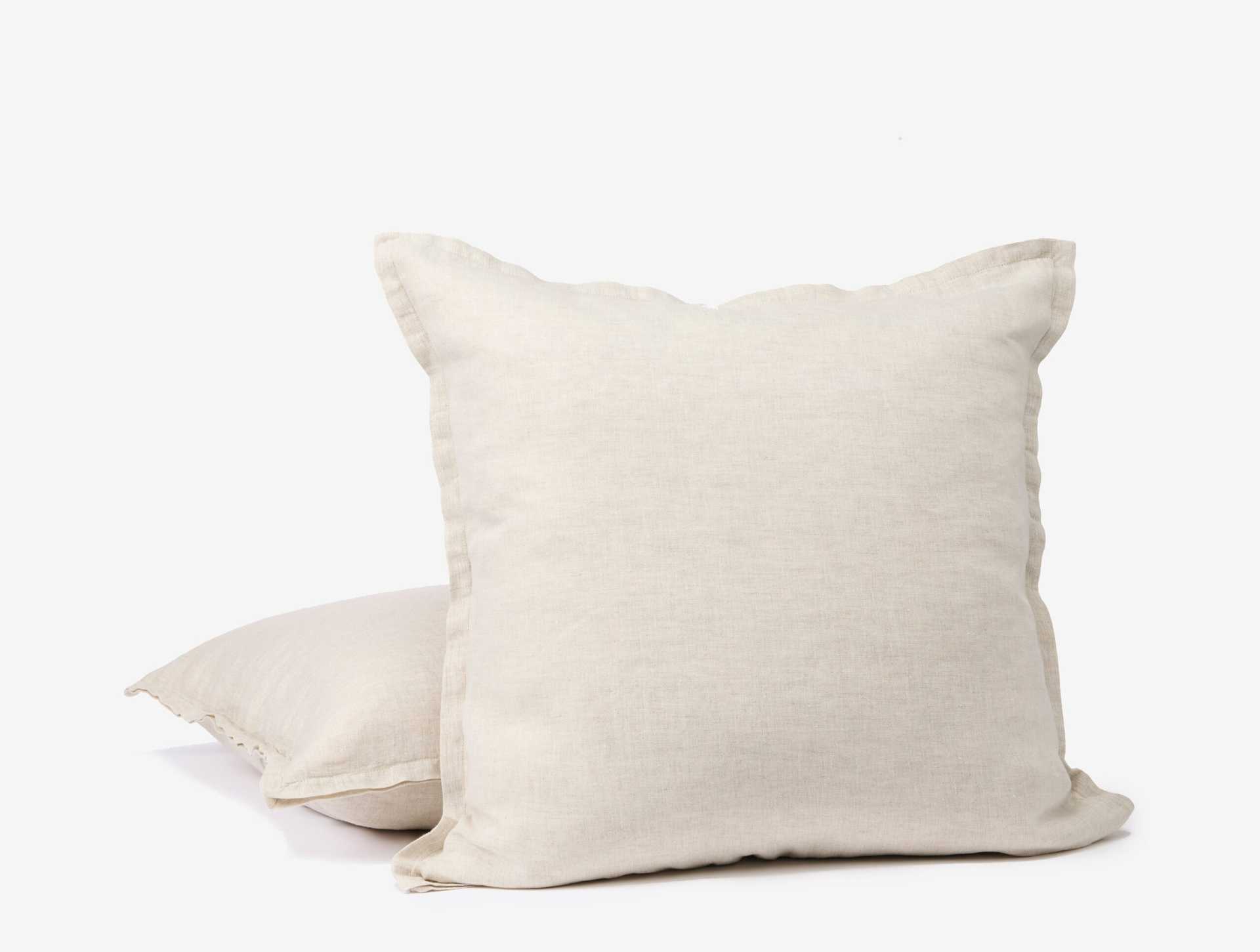
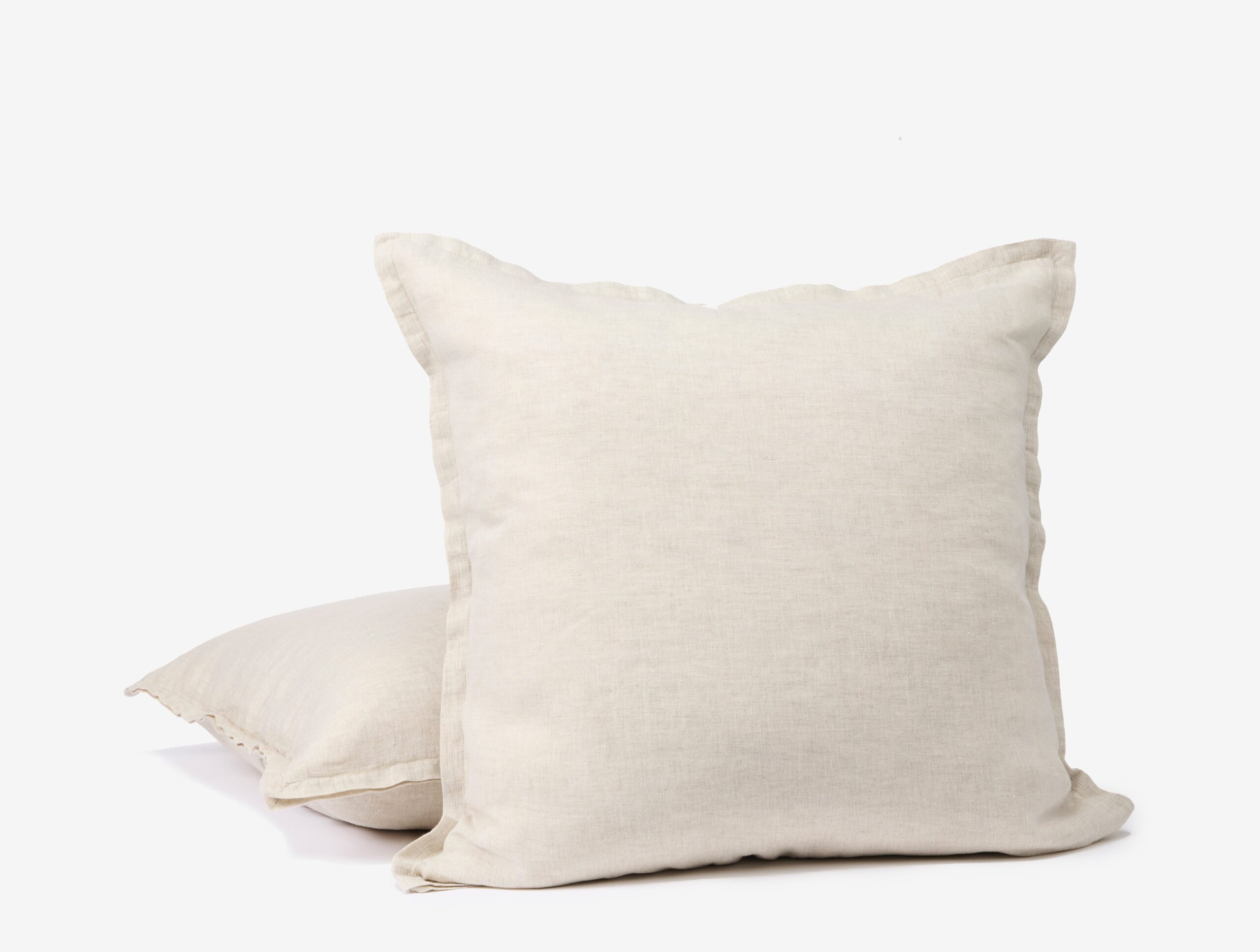
This piece is intentionally non-commercial in tone, offering readers a grounded, evidence-based approach to linen care and selection. Yet we cannot ignore the presence of products in the landscape that demonstrate linen’s current vitality. A single example—the Organic Relaxed Linen Decorative Pillow Cover from Coyuchi—offers a concrete tactile anchor. This pillow cover, crafted from 100% organic linen grown in Europe and woven in Portugal, is garment-washed for a relaxed hand and finished with pick-stitched cuffs. It embodies the quiet luxury of linen: not a flashy statement, but a durable, elegant detail that ages with character.

Organic Relaxed Linen Decorative Pillow Cover (Coyuchi)
Organic Relaxed Linen Decorative Pillow Cover

Coyuchi, 100% organic linen from Europe, woven in Portugal. Washed for a relaxed hand and finished with pick-stitched cuffs. A durable, breathable accent that ages gracefully.

Price: $88.00

This is a practical example of how linen’s texture and life story manifest in a single, everyday object. The pillow cover’s washed finish, its European flax lineage, and its careful stitching all demonstrate how material choices translate into comfort and longevity. In conserving linen’s character, such details matter as much as the care guidelines that accompany the fabric.

Beyond products, the reader can chart a thoughtful path: seek linen with transparent origins, prefer garment-washed finishes for softness, and treat care as a ritual rather than a chore. The goal is not to turn linen into a sacred icon but to cultivate a home where textiles support health, sustainability, and quiet, daily beauty.

Conclusion: Linen as a Home Habit, a Living Material

Linen’s appeal endures because it insists on a slow but meaningful relationship with daily life. It rewards care with comfort, aging with dignity, and sustainability with candor. The brands we rely upon—Naturepedic, Coyuchi, Libeco—offer different avenues into that truth, but all roads lead back to a fabric that respects human life and planetary limits. In the home, linen does not merely clothe surfaces; it shapes rituals—morning drafts of air through a linen sheet, midday folds of a pillow cover that has softened through countless washes, evening textures that invite a sense of calm. Linen, finally, is a patient teacher: it teaches us to slow down, to consider our materials, and to live with intention in the spaces we call home.

For readers seeking a poised entry into this world, start with a glossary of textile terms, then sample a few care tips, and finally allow linen to become a storyteller in your own rooms. The care you give today becomes the comfort you enjoy tomorrow.

Suggested On-Page Resources

  • The history of linen and its cultural significance
  • How linen is made: from flax to fabric
  • Care guides: washing, ironing, stain removal for linen
  • Linen vs. other natural fibers (cotton, hemp, rayon)
  • Glossary of textile terms

On-Page SEO Notes

Focus keywords: linen care, linen bedding, sustainability linen, Naturepedic linen, Coyuchi linen, Libeco linen. Meta description: A guided exploration of linen’s care, sustainability, and brand perspectives, with practical tips for authentic linen and a spotlight on three hallmark brands. Internal links: to core articles such as “The History of Linen,” “How Linen is Made,” and “Linen Care Guides.”

Related Products

Organic Relaxed Linen Decorative Pillow Cover

Coyuchi

Organic Relaxed Linen Decorative Pillow Cover

Soft, breathable 100% organic linen from Europe, woven in Portugal. Enjoy a relaxed hand that improves with washing, easy pairing with modern decor, and a cohesive palette—all with simple care and lasting comfort.
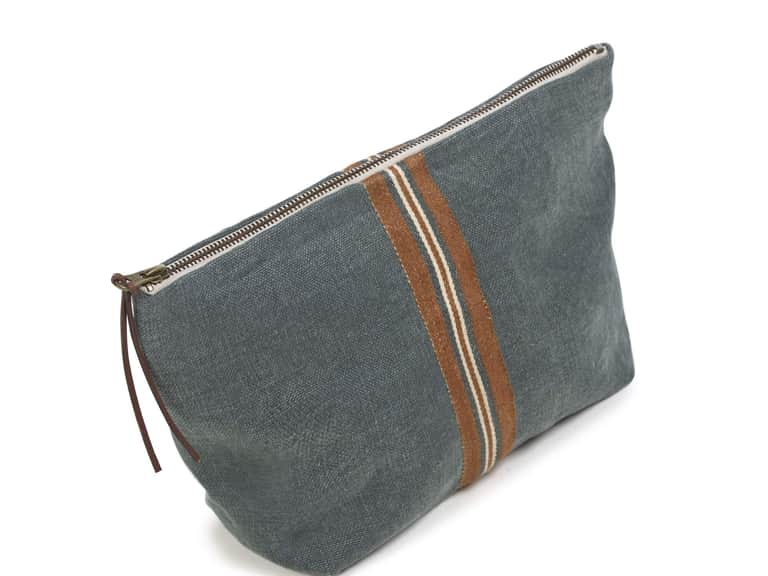
Atlas Cosmetic bag

Libeco · No. conf_atlas_toilettas

Atlas Cosmetic bag

Keep essentials organized in refined style with a durable linen-lined pouch; it's tactile, versatile for travel or desk, and its stonewashed fabric feels premium yet easy to clean.
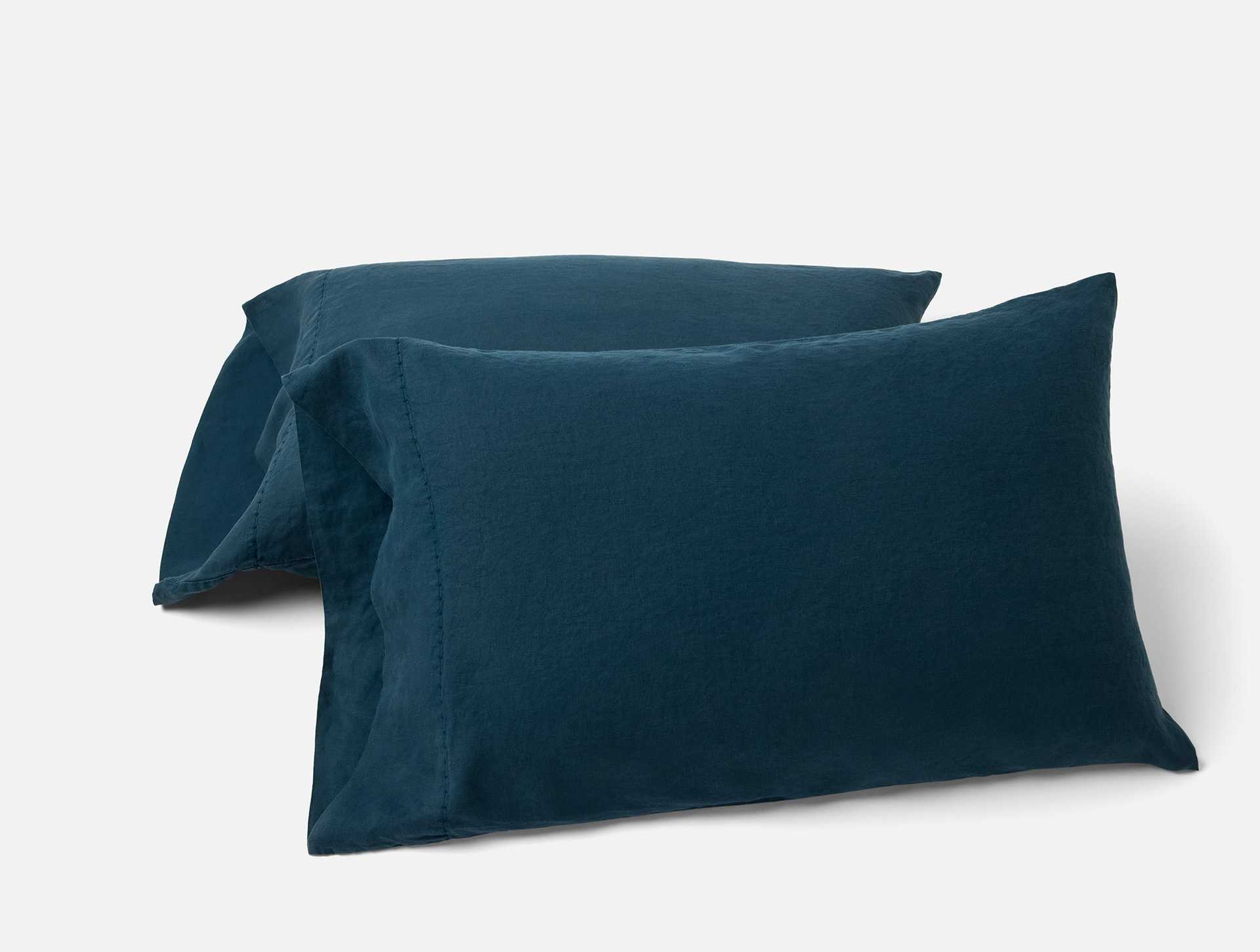
Organic Relaxed Linen Pillowcases

Coyuchi

Organic Relaxed Linen Pillowcases

Sleep cooler and softer nightly with breathable organic flax linen, garment-washed for cozy ease, and subtle pick-stitched cuffs—durable, relaxed luxury that improves with time.

Theme