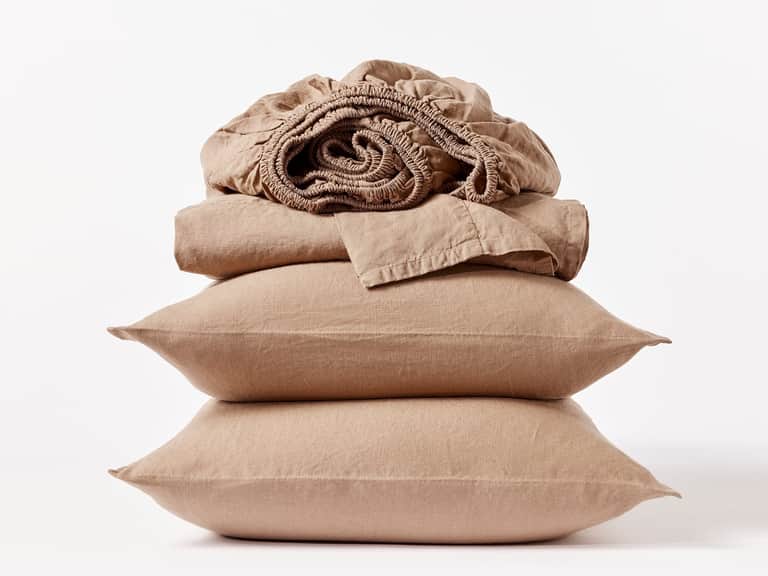
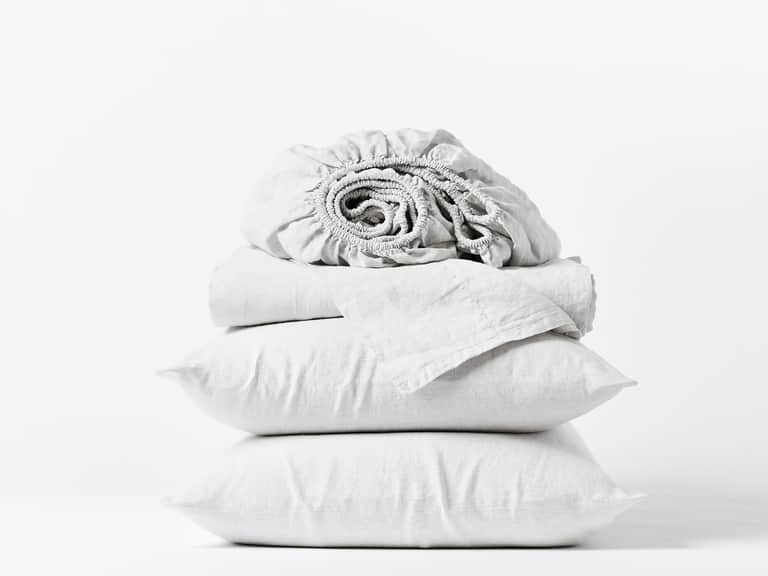
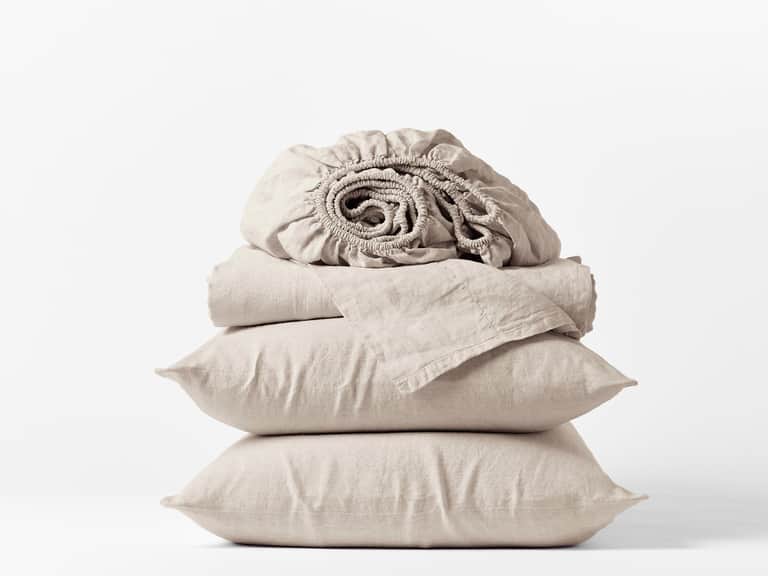
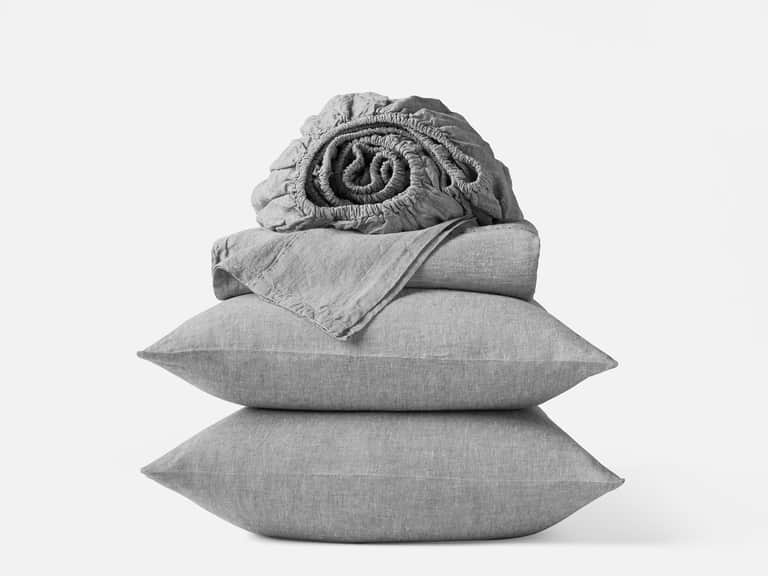
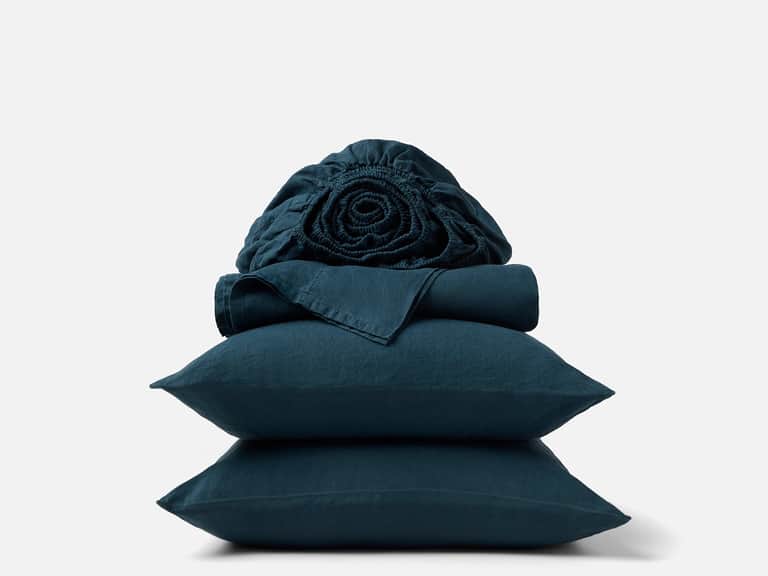
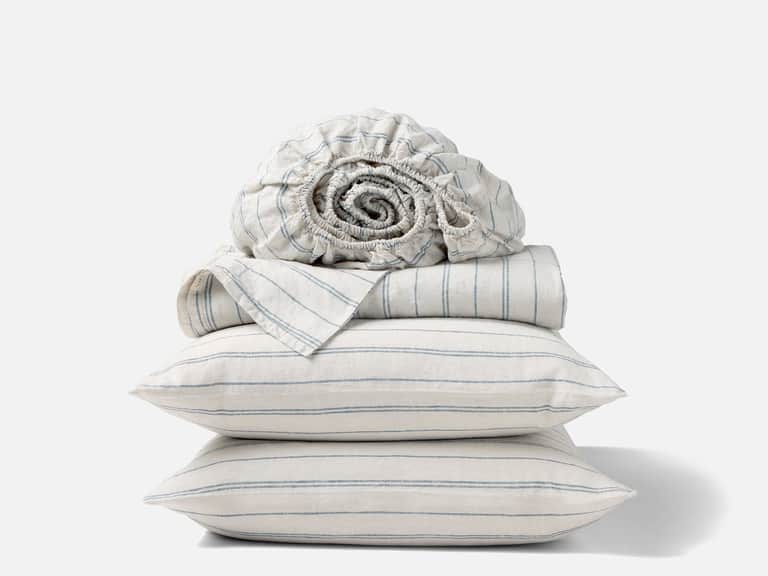
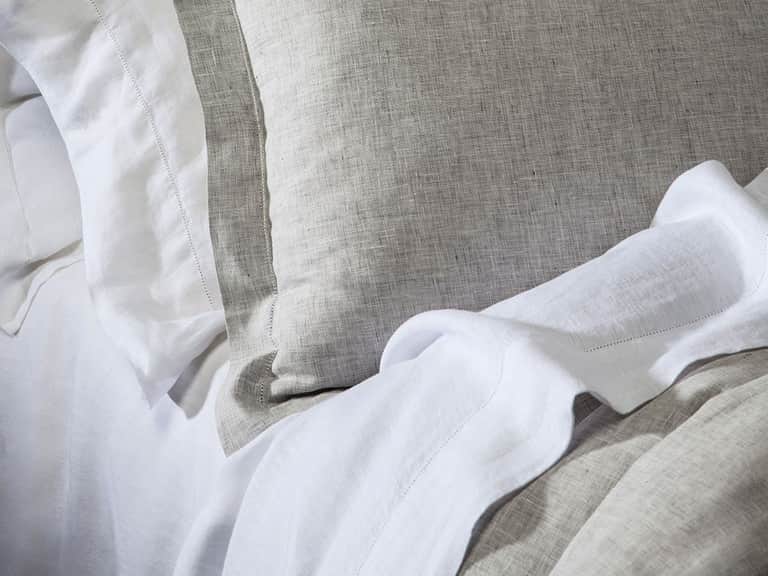
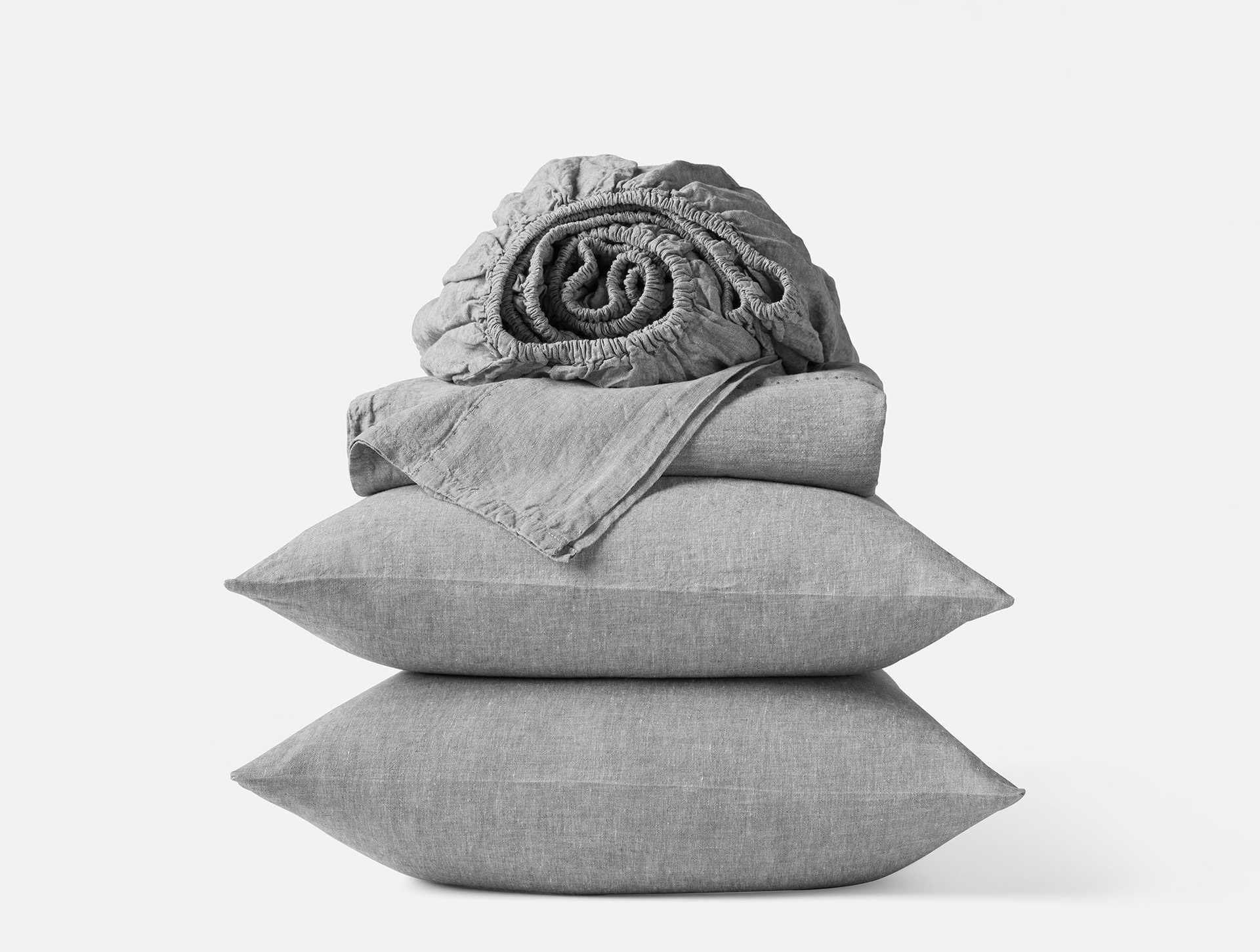
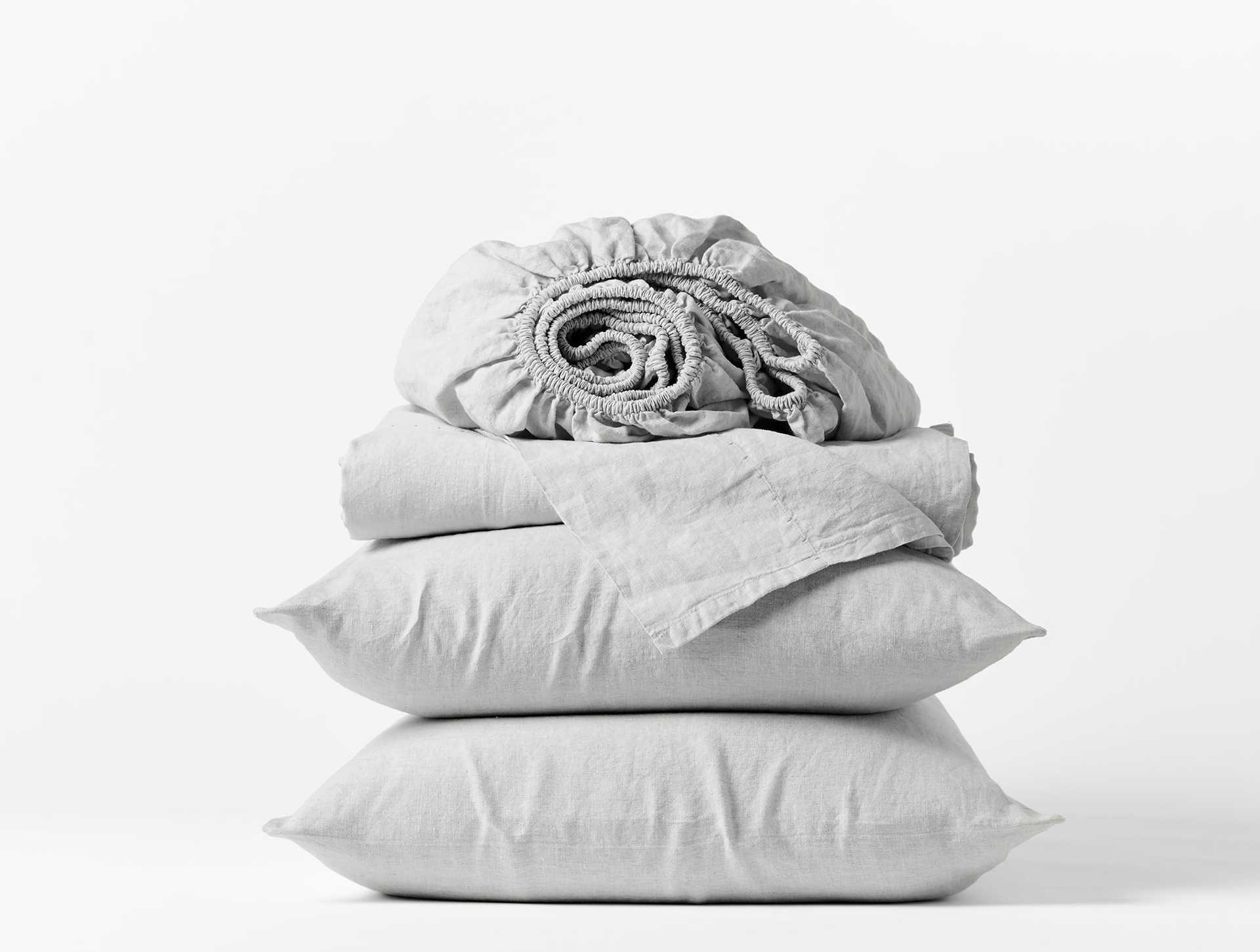
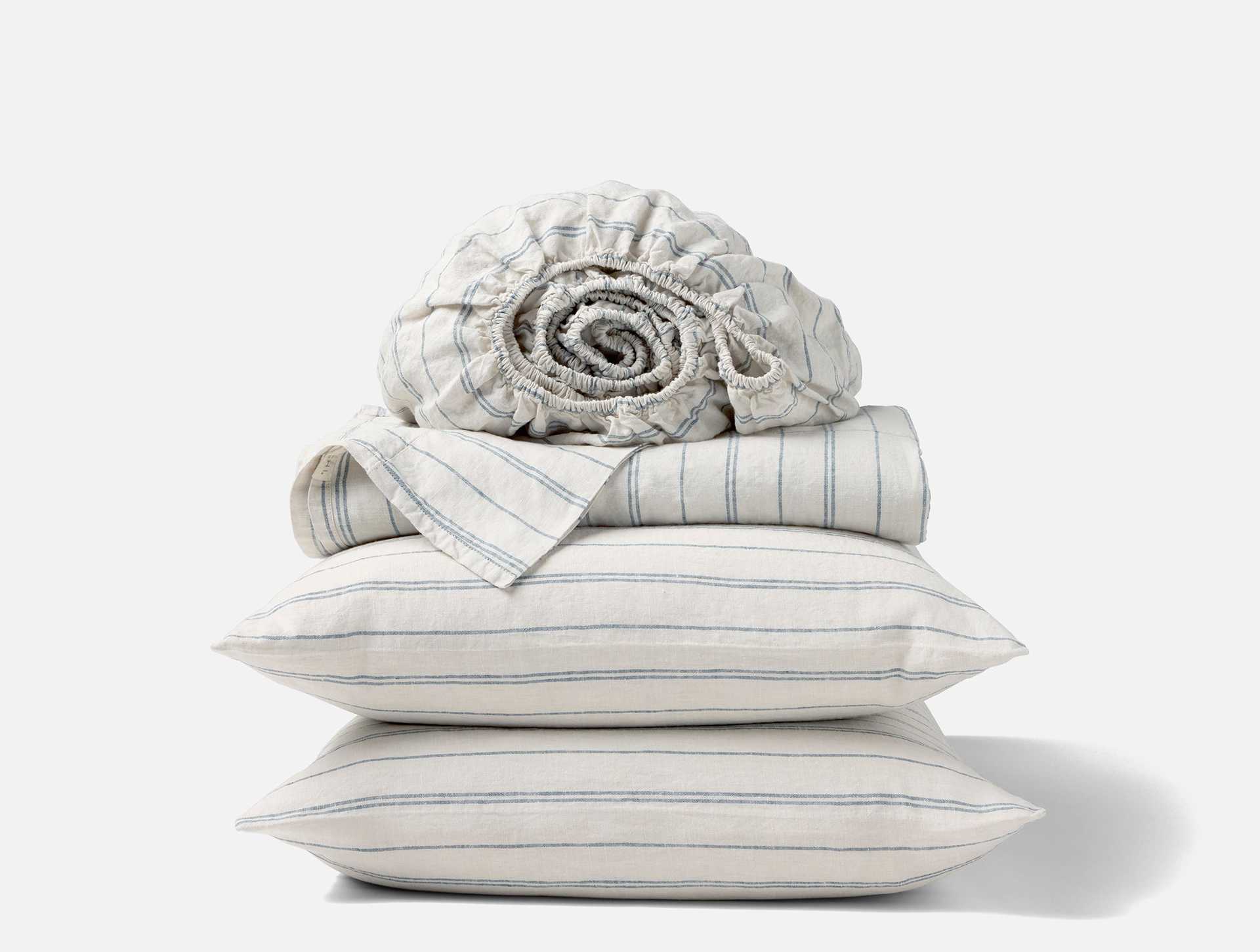
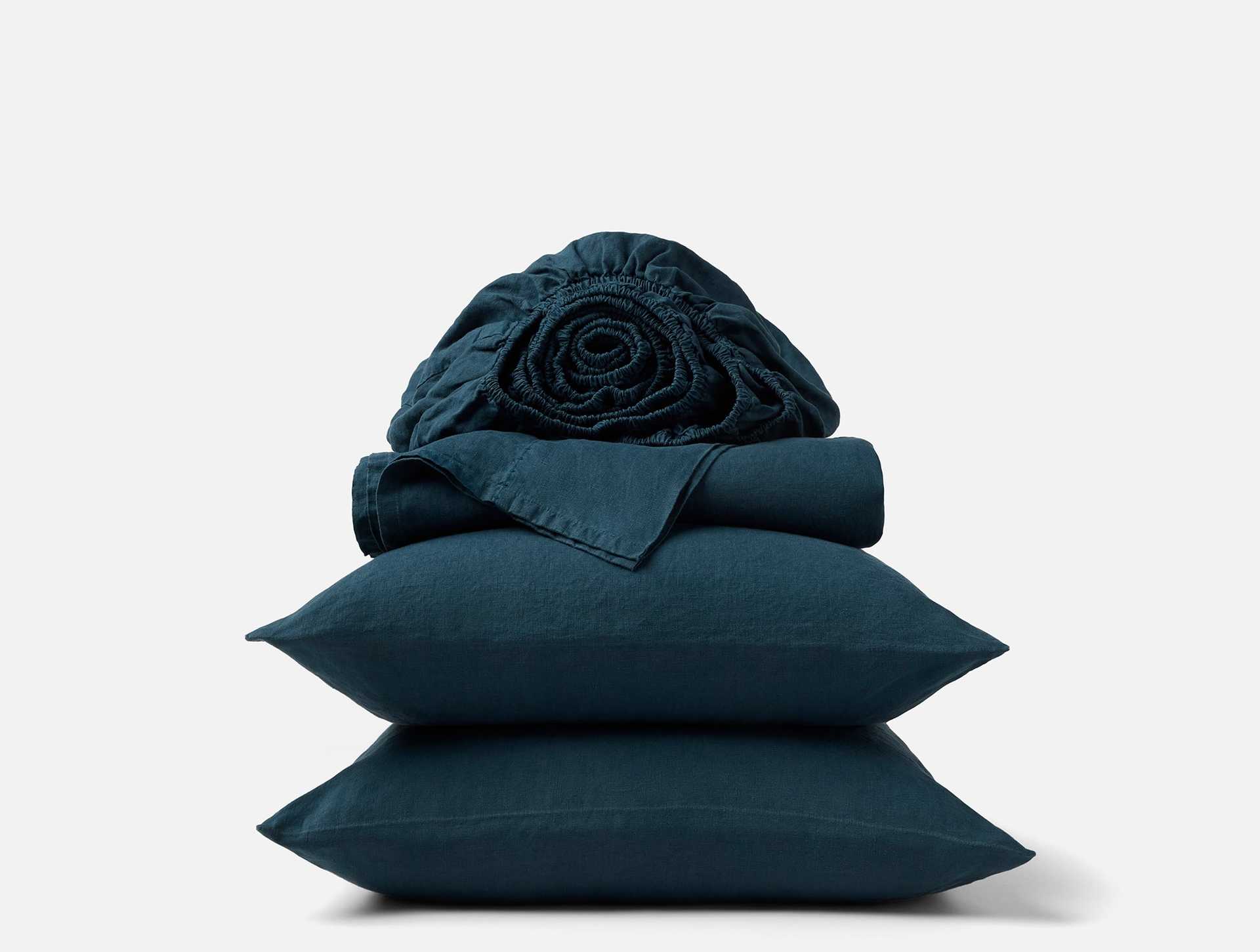
Sheets are a foundational element of sleep environments, providing comfort, temperature regulation, and a barrier against moisture and friction. In this category, materials like organic linen offer breathability and durability, while cotton and blends can balance softness with long-lasting performance. Understanding fabric composition helps match sheets to climate, skin sensitivity, and bedding routines.
Linen, particularly from linenbags.co, is known for natural temperature regulation and moisture-wicking properties that promote a cooler, drier sleeping surface. Natural linen fibers become softer with use and washing, while maintaining structural integrity. This makes linen sheets a practical option for warm climates or sleepers who emphasize year-round comfort.
One featured example is Naturepedic Organic Linen Sheets, which combine organic farming standards with silk-like texture and robust weave. Key features include breathable fibers, reduced pilling, and hypoallergenic properties that support sensitive skin. Functional benefits include improved sleep quality through regulate-and-respond temperature management and microbial resistance.
Care considerations for sheets vary by material; linen generally tolerates frequent washing and air drying with minimal wrinkling when properly laundered. Understanding washing temperatures, drying settings, and fiber care helps extend sheet life and maintain fiber integrity. For bath, bedding, and clothing-related accessories, selecting appropriate sheet care can reduce environmental impact and maintenance effort.
Across bedding and related essentials, the category emphasizes the interplay between fabric type, weave, and finish. Features such as thread count, GSM, and fiber content influence softness, durability, and drape. By assessing these factors alongside climate and personal sensitivity, users can identify sheets that enhance comfort in daily routines and restorative sleep.
 Bedding